
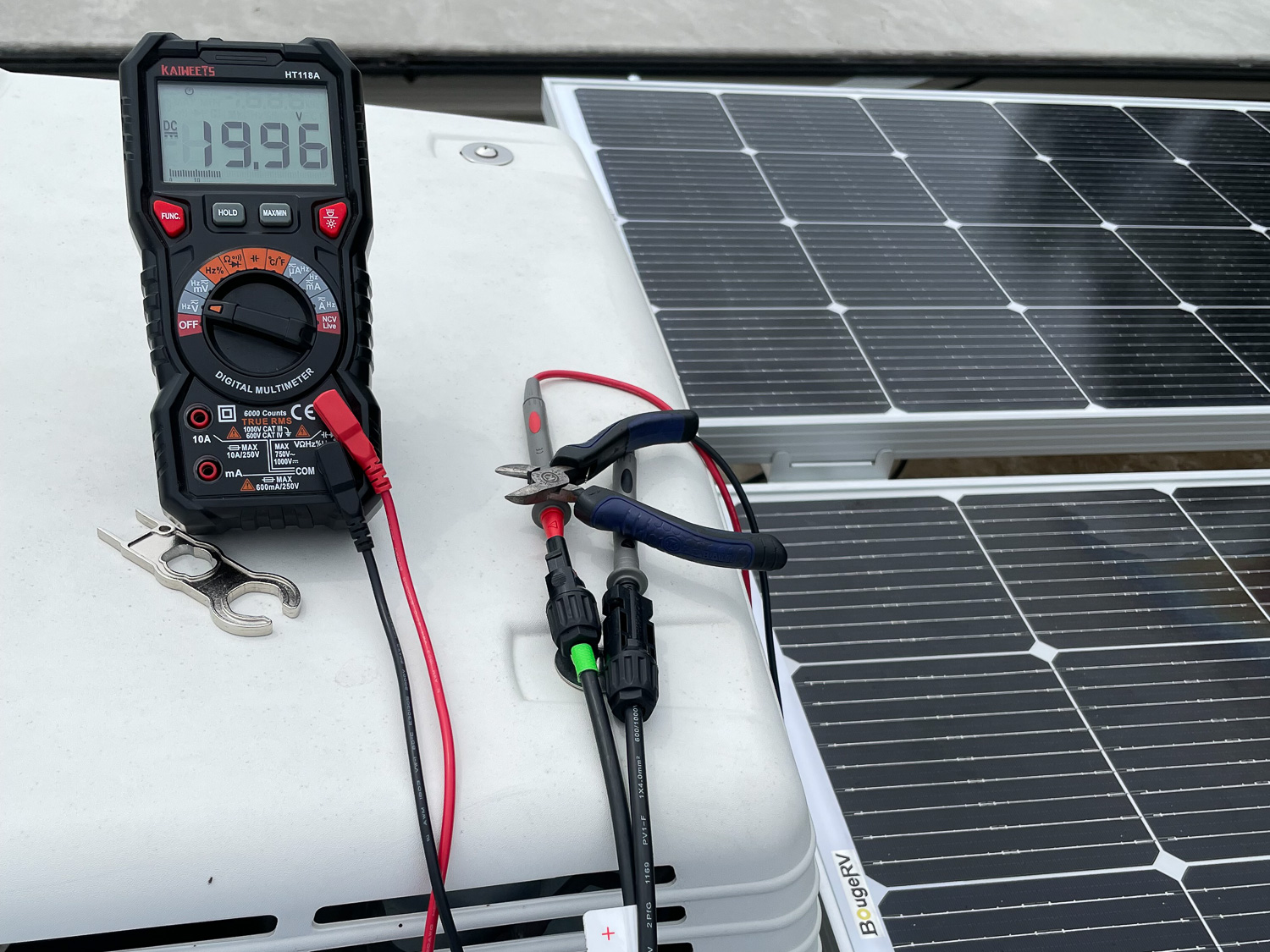
Upgrading My Solar to 600w!
200w, 400w, and now 600w
Warning: This is a long read! Solar is complex but not complicated. I created this for folks unfamiliar with electricity, solar, batteries, etc. While this post outlines the hardware aspect, it also takes you through my implementation thought process. I hope that you’ll be able to plug in your own needs to build out your system effortlessly.
If you have not read “How long will my battery last,” you might want to start here first: https://www.wildtrailsoutdoors.com/how-long-will-my-rv-battery-last/
Before my Starcraft Launch Travel Trailer was stolen (2020), I had collected a complete solar system to install for Boondocking. When I got the IBEX, it had rails on top for adding roof rack bars and mounts for kayaks, bikes, or whatever. I sat there scratching my head, thinking, who the heck will climb up there with a bike or kayak? Better yet, how the hell would all that fit under a bridge? The IBEX is already 11.5 feet tall! Really, what was Forest River thinking?
The IBEX came with a 190w Panel, 10A controller, and a single 12v 63Ah (car style) battery installed. Barely enough to run a few lights and the 12v-only fridge (no propane) throughout the night. So what better way to utilize those rails than with extra solar panels? Now, let’s get started…

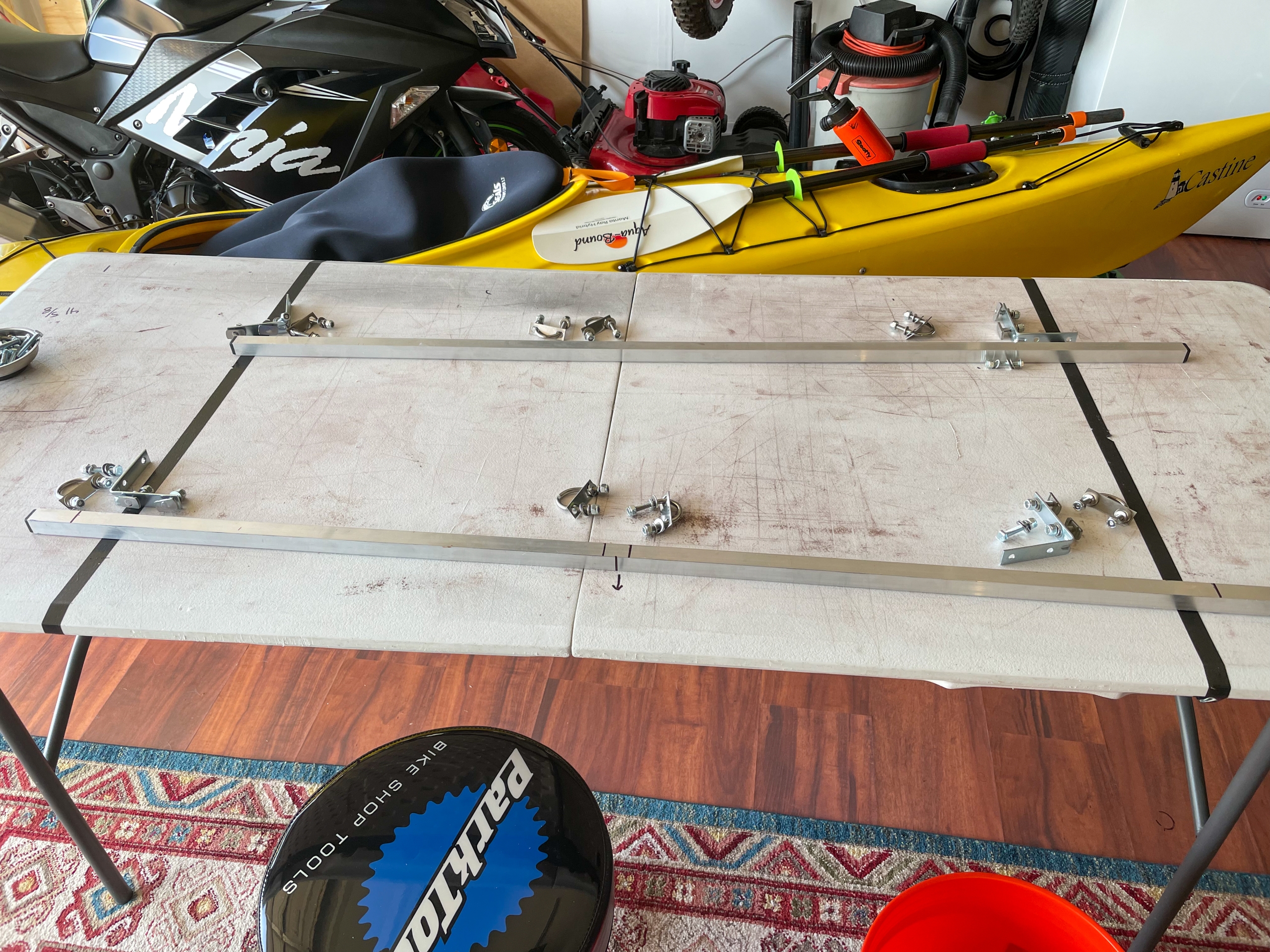
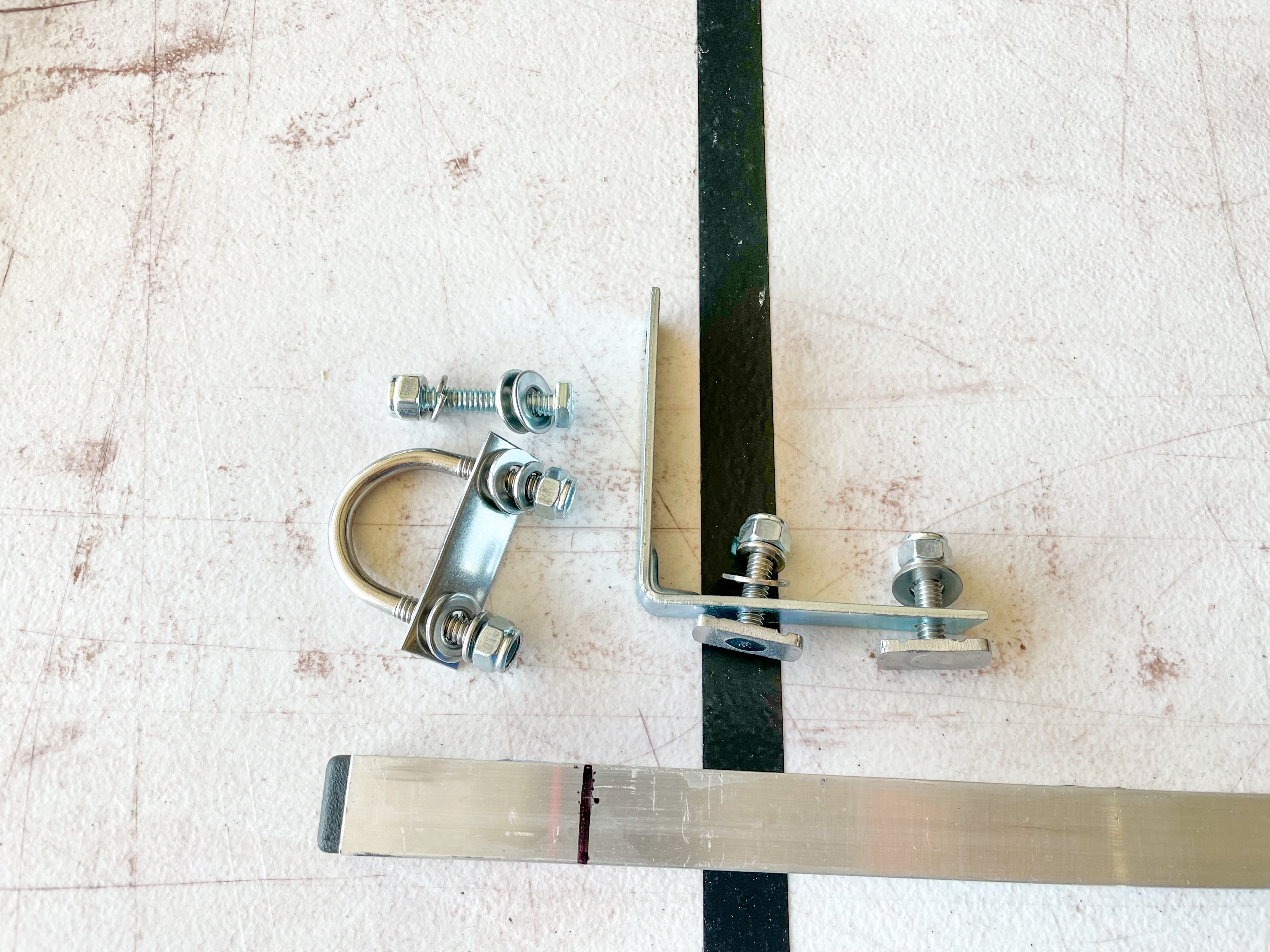
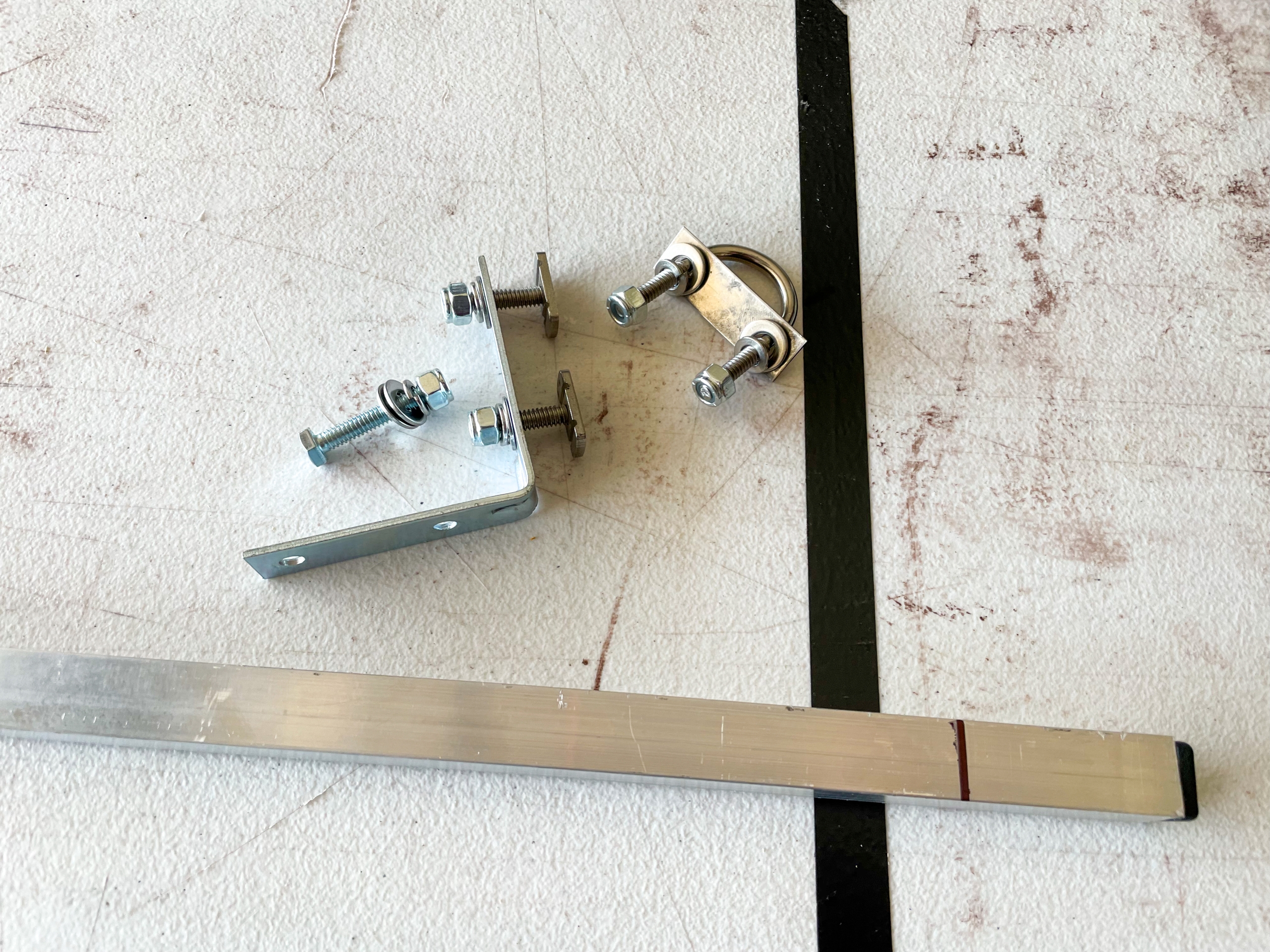
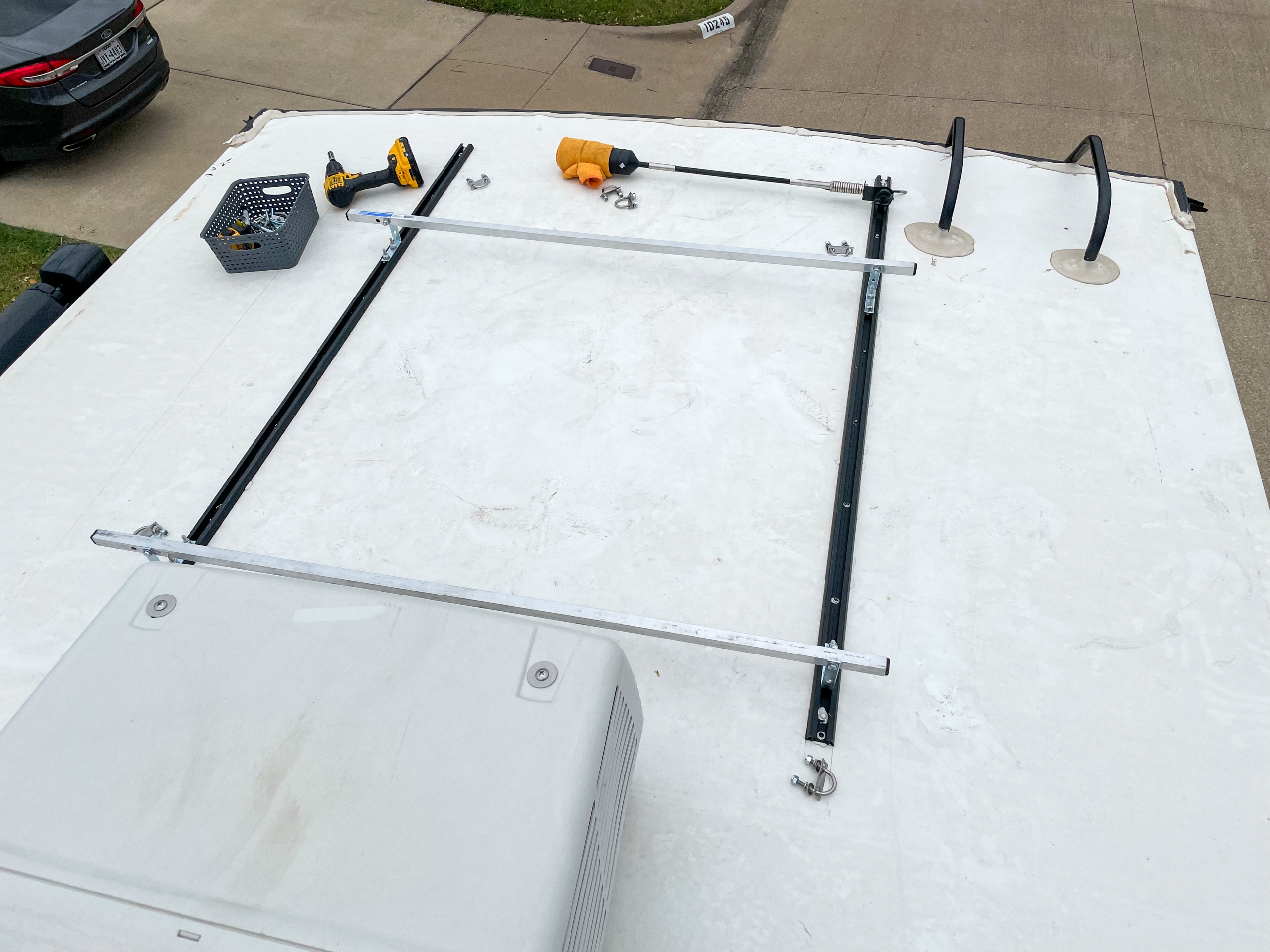
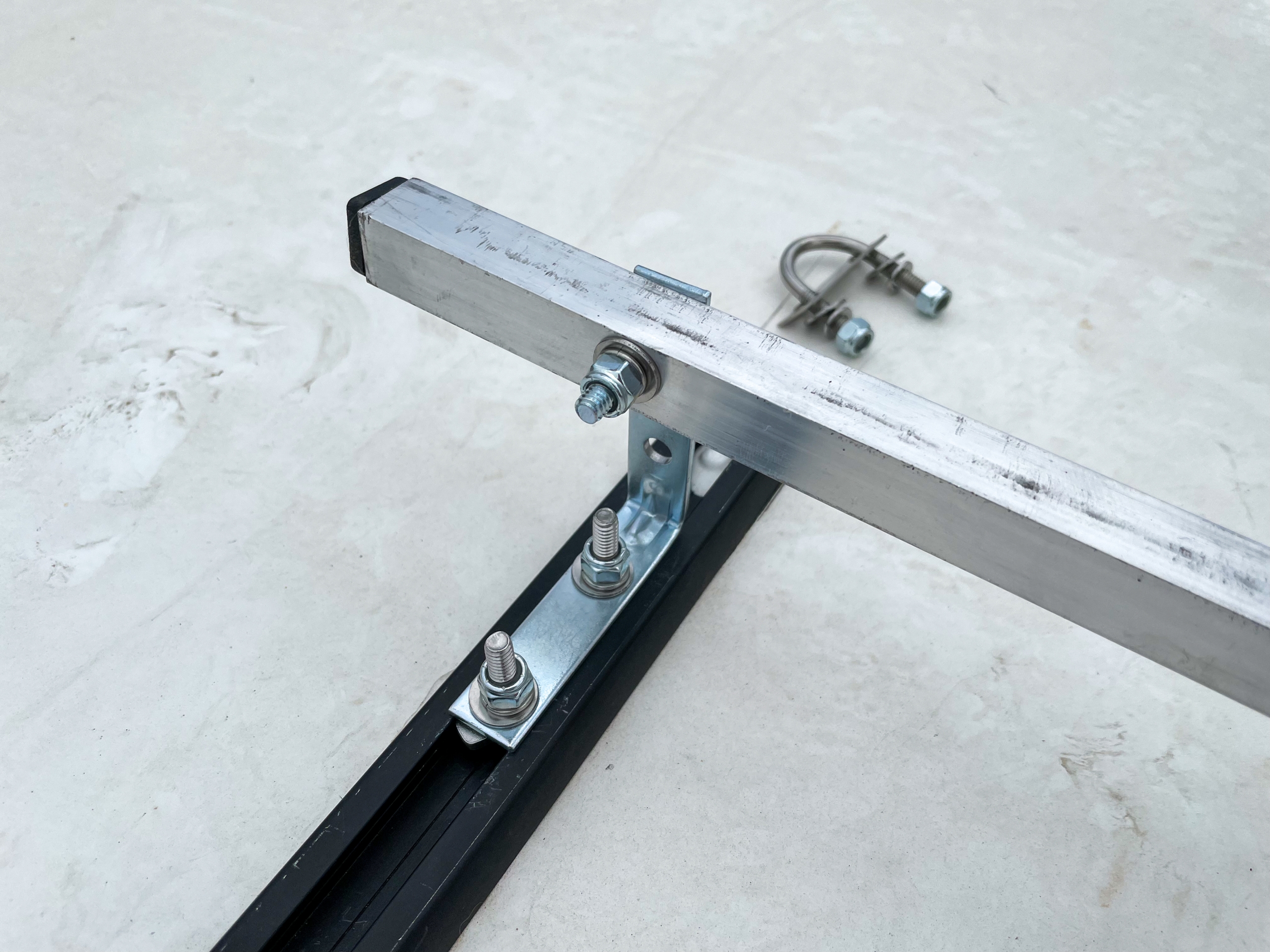
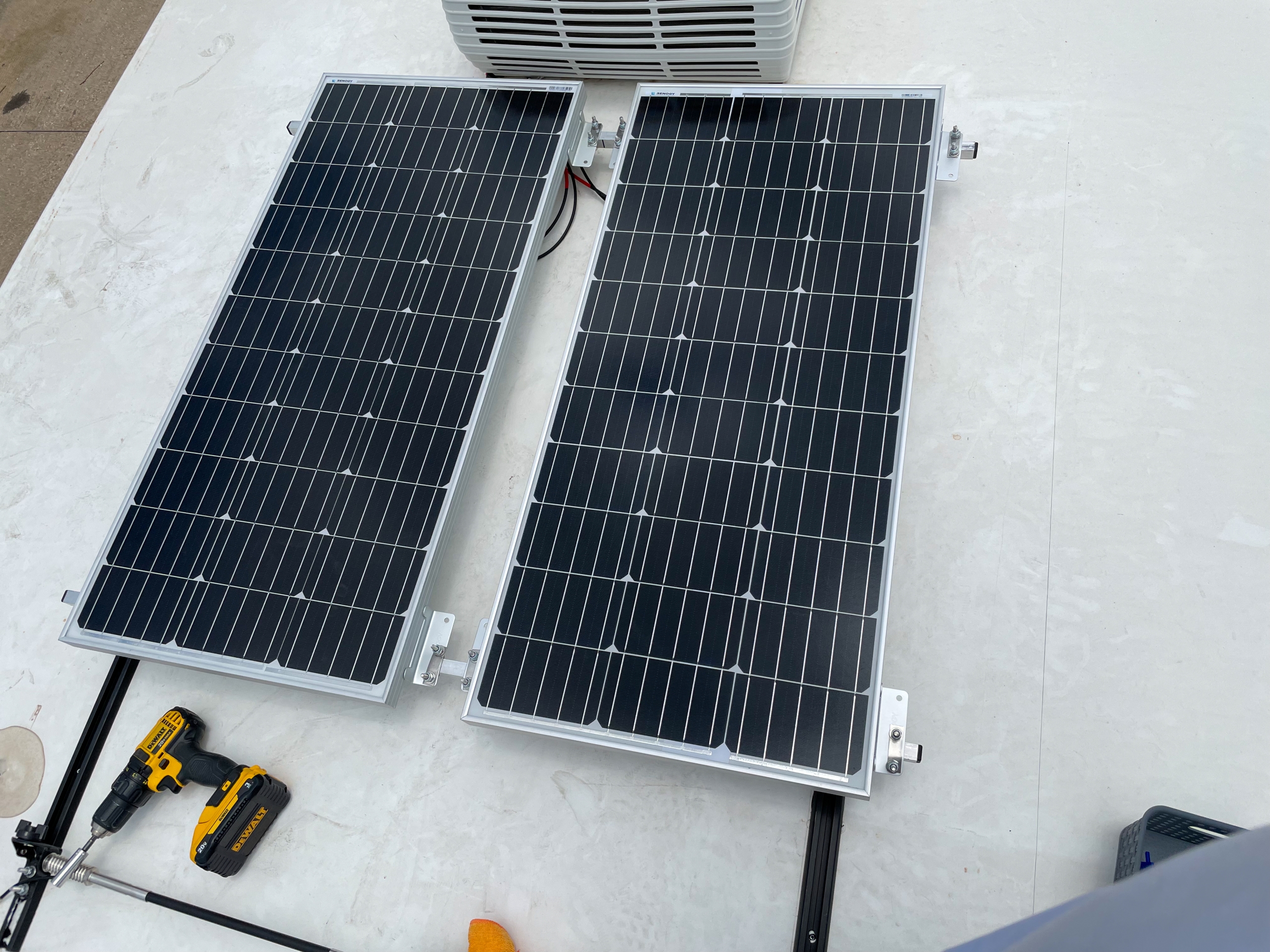
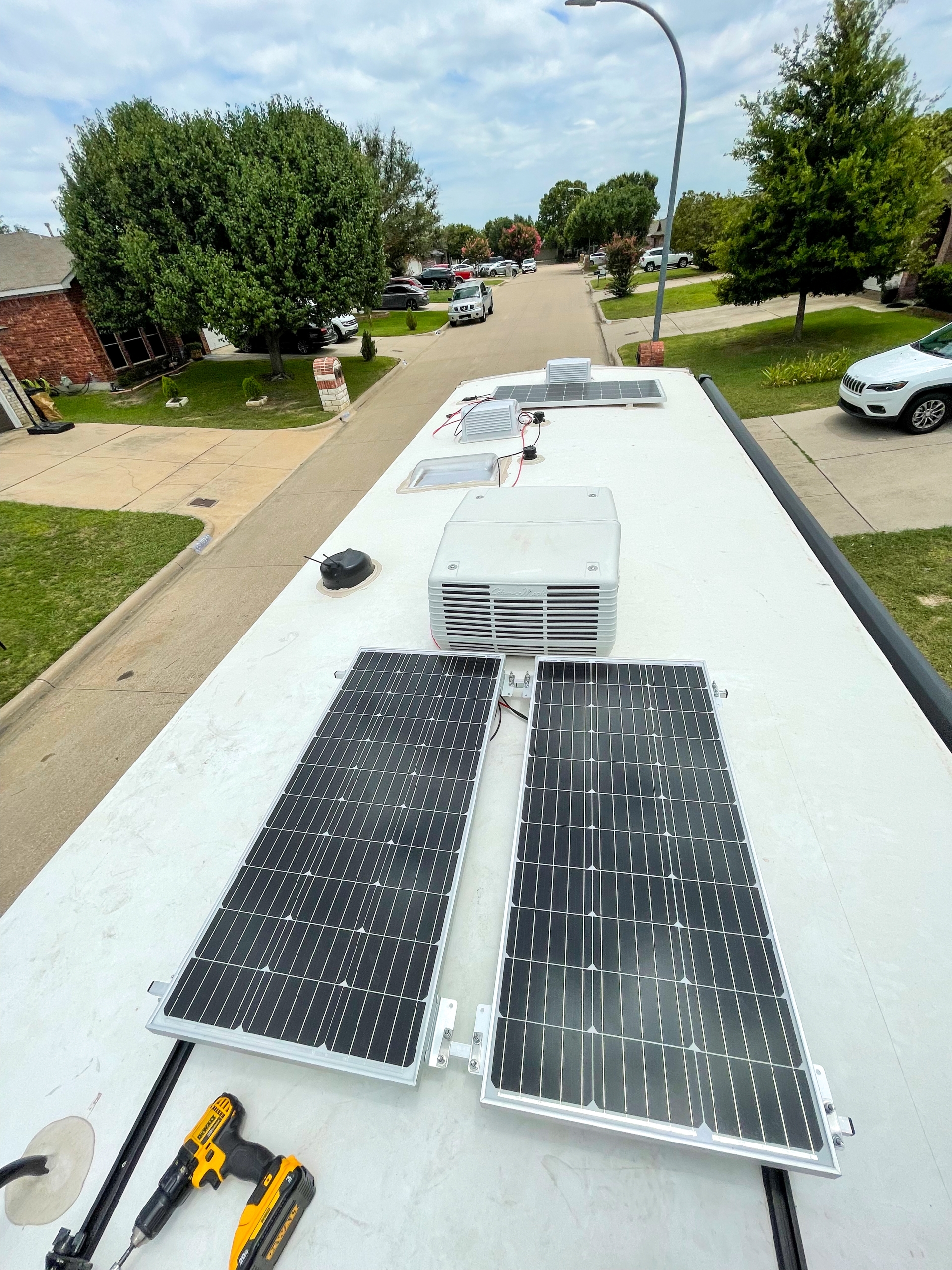
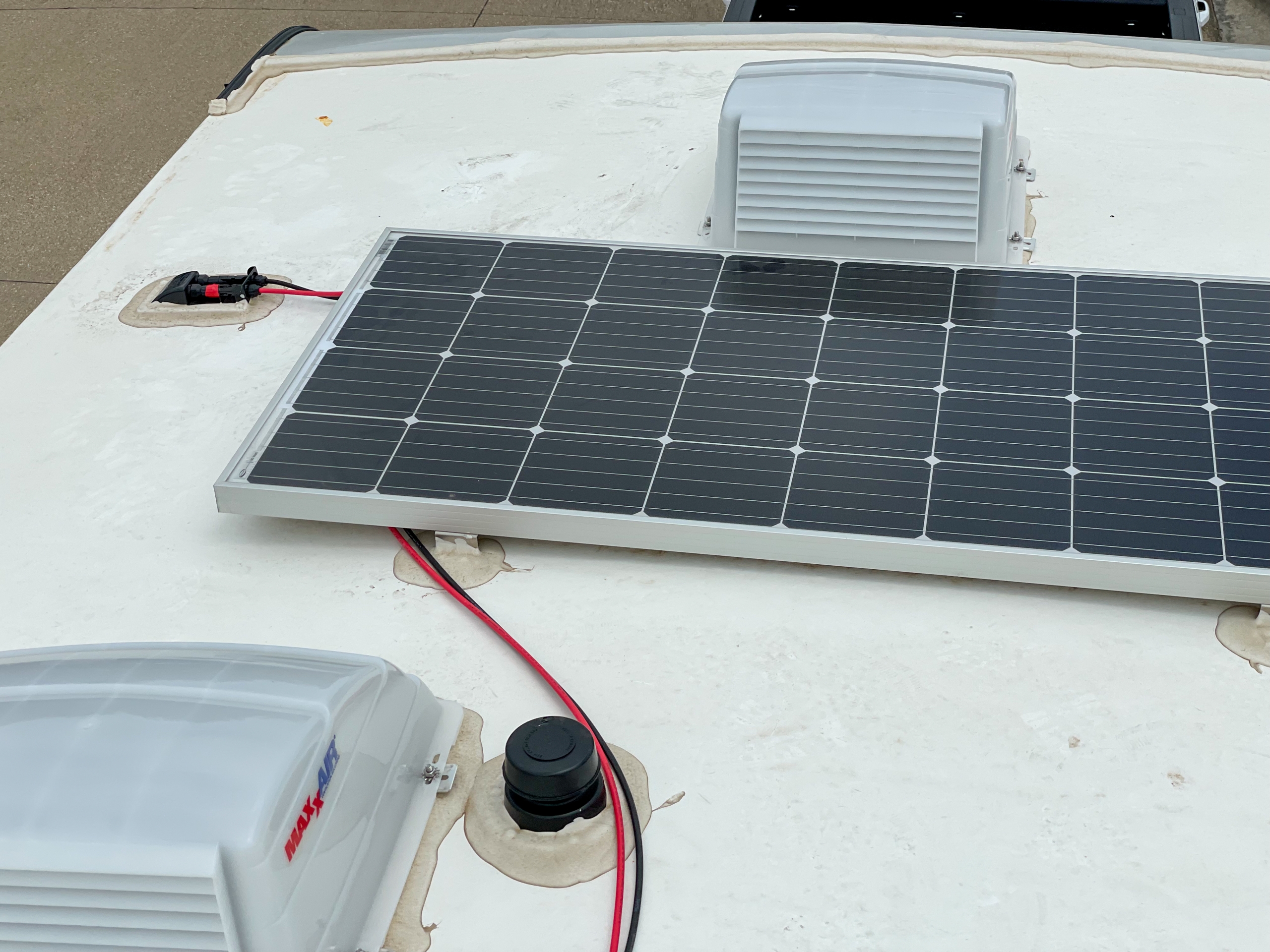
What do we have:
The first thing to know is the size of the existing wiring and what it can support (more on this below), especially since only a 10A controller was installed. Surprisingly, it was wired with AWG10 stranded wire, which is perfect for the 25/10 GoPower controller. This is a great start and gives me the option for up to 30 amps down to the controller. I purchased a Renogy 100w starter kit, two additional 100w panels, a Victron 100/30 Controller, a 500A Shunt, 25ft AWG8 wire, and a Battery Monitor for the upgrade.
My starting hardware list (this changed significantly):
|
|
Wire Sizing Considerations:
There is something extremely important to note here. Solar wiring has two major components: what comes in from the solar panels and what goes to the battery. I’m sharing below how to control the volts and amperage for the panels to the controller, giving you a guide for sizing that wire run. The second component is the run from the controller to the battery, which is controlled by the controller.
The Design Phase
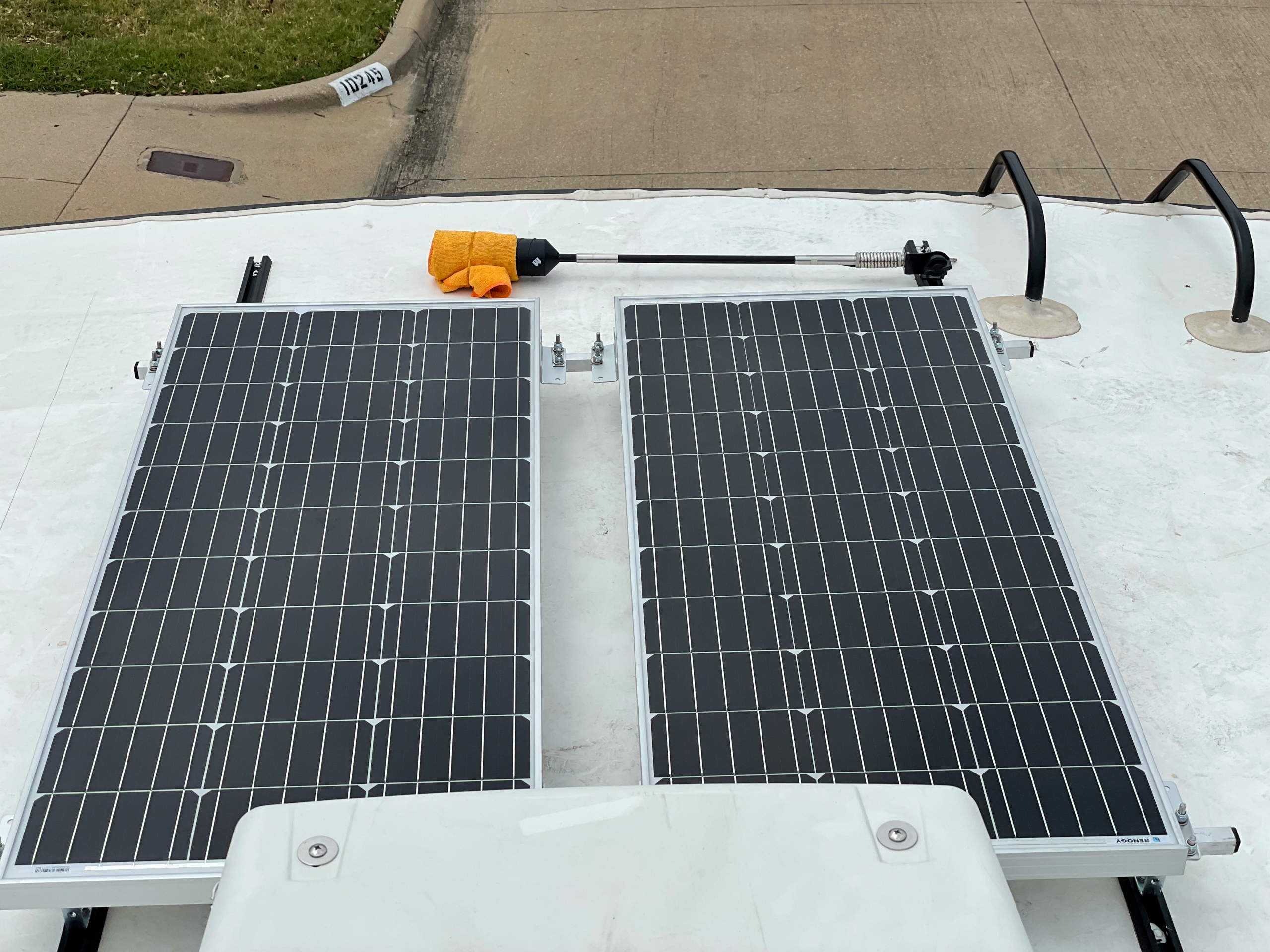
Physically, I could get three panels up onto the rails. But that would have left little room for walking around, making it unsafe to access other parts of the roof. So, I decided to go with two 100w panels on top and one portable on the ground.
I decided to use the PWM Controler & BT Module in the “Ground Setup,” leaving the 10A GoPower controller on my list. I was not sure it could manage the extra panels.
Final Layout
Definiations & Examples
First, let’s get a little geeky…
- An Array is the configuration of the solar panels.
- Watts Law states Volts x Amps = Watts
- When wiring power sources (solar panels or batteries) in…
- Parallel – Amps are added together, and Volts stay the same.
- Series – Volts are added together, and Amps stay the same.
- When mixing panels of different watts, it is “best” to have all the same Volts or all the same Amps, because when wiring them in series or parallel, the math will use the lowest value in the equation.
Example A: Same Amps – If you have a 100w/8.3A/12v and
200w/8.3A/24v panel (300w total)and wire them in:
Parallel: (8.3A + 8.3A) x 12v (the lower) = 200watts (a loss of 100w)
Series: 8.3A x (12v + 24v) = 198watts
or
Example B: Same voltage – If you have a 100w/4.2A/24v and
200w/8.3A/24v panel (300w total)and wire them in:
Parallel: (8.3A + 4.2A) x 24v = 300watts
Series: (24v + 24v) x 4.2A (the lower) = 201watts (a loss of 100w)
I’m not going to discuss all the different possibilities further. At the end of this post, I will link to an excellent series of videos that go in-depth into the different configurations.
Why is this important?
Good question! A higher-voltage array will have a lower amp rating while producing the same wattage. Lower amps mean smaller gauge wire, fuses, controllers, and accessories. This is something to consider if your existing wiring is 12g vs10g. But that’s not the only thing to consider.
Let’s work with our three 100w/18.6v/5.4a panels.
- In Parallel: 18.6v x 16.2A (5.4A + 5.4A + 5.4A) = 300w
- In Series: 5.4A x 55.8v (18.6v +18.6v +18.6v) = 300w
Simple enough, but what if one of those panels were shaded by some trees and dropped the voltage, producing less wattage: 38w/12.2v/3.1a
Parallel: 12.2v x 13.9A (3.1A + 5.4A + 5.4A) = 169w
Even though the other two panels have 18.6v, when selecting the single voltage for parallel connections, you have to take the lowest common denominator, 12.2v, in this case.
Series: 3.1A x 49.4v (12.2v +18.6v +18.6v) = 153w
Even though the other two panels produce 5.4A, when selecting the single Amperage for Series connections, you have to take the lowest common denominator or 3.1A in this case.
Now, 169w still seems like a lot, but remember, this math is if all the panels are producing at unrealistic “perfect conditions” (perfect sun, perfect temperature, perfect angle to the sun, etc.). Anytime you add one or more panels to your Array, you will have different watts/amps/volts. Things that affect the output are the age of the panels, the distance apart from each other, different mounting angles, clouds, natural/man-made shade, dirt/dust, etc. All these will change the numbers. This also goes without saying with unmatched panels. Mixed panels with different voltages, amps, and/or watts like what I have.
Fuses & Disconnects:
A fuse must be used if the combined current exceeds the panel’s fused amount.
More info on fuses: https://www.youtube.com/watch?v=s1P31hxlD3I
My Panels on Top:
- (1) 190w GoPower panel (190w/18.6v/10.2a)
- (2) 100w Renogy Panels (100w/18.6v/5.4a)
The math on the panels (perfect conditions).
Parallel: 18.6v x 21A (10.2A + 5.4A + 5.4A) = 390w (no loss)
Series: 5.4A x 55.8v (18.6v +18.6v +18.6v) = 301w (89w loss)
Why did Parallel work? Simple because in my mixed lot, they all had the same Voltage, so when picking mixed panels, look for a common factor (volts or amps).
For this reason and environmental effects, I wired all three roof-mounted panels in parallel. By having one on the front and two on the rear, tree shade and clouds will have less effect on the whole array (more on environmental effects later). I need a charge controller that can handle at least 21 amps @ 20v. I chose the Victron 100/30 SmartContoller (100v or 30A) for growth purposes.
My Ground Panel:
- 100w Renogy Panels (100w/18.6v/5.4a)
- Renogy Wander 30/12v Controller
- Renogy BT-1 Bluetooth Communicator
The math on the panel (perfect conditions).
Parallel: 18.6v x 5.4A = 100w
This allows me to chase the sun on the ground. Also, by connecting a different controller directly to the battery, I get full power without worrying about affecting the other array on top of the roof.
RV Power Distribution Center:
https://www.wildtrailsoutdoors.com/upgrading-my-travel-trailers-charger-converter-for-lithium-batteries/
The Power Distribution Center in my IBEX was a WF-8955PEC, which is NOT Lithium Battery Compatible. The WF-8955PEC’s charging system is designed explicitly for lead-acid (Flooded/AGM) batteries. The WF-8955LiS is the model that needs to be installed for the IBEX to be “Lithium Ready.”
The WF-8955LiS has a switch option, which allows one to switch charging modes between lead-acid and lithium batteries by simply sliding a switch in one direction or the other.
I have a separate post covering Lithium and Lead-Acid charging systems. You can view it here.
Footnotes:
I’m writing a post on this subject for my Blog, which will include references, but my top resources are
Forest River’s Sr. Solar Engineer – email
WFCO Engineer – Phone Support
WFCO Engineer Training Supervisor – Derrick
Battle Born’s Sr. Tech – Ron
Lithium Battery Power Engineer – William, documentation
All confirmed my concerns. As for me, I have an education in electrical engineering, lasers & robotics, and have been a software engineer since 1994.
Regards to warranty, Battle Born specifically stated, “in some cases, we will offer one courtesy replacement.” He emphasized, “in some cases.” No exact cycles, term lengths, or disqualifications were discussed.
Basic Camper/Trailer Solar Electrical Wiring
https://www.youtube.com/playlist?list=PLmvhcyi4n0TUjVGA_O5aI5SQrS1kKLgEF
Disclaimer: All right, guys, here's the proverbial disclaimer! I'd like to make it perfectly clear that I am not an electrical or electronic professional. That said, after working with electricity for the past 40 years, I believe I have a reasonable amount of technical knowledge needed to build simple electrical and electronic systems and components for my own use. I created Learning Solar Basics to teach people, whether right or wrong, how I have designed and built my projects. The information in my videos and on my website is strictly for informational purposes only, and if you are unsure or uncomfortable in any way, simply hire a professional. Read the full disclaimer.